
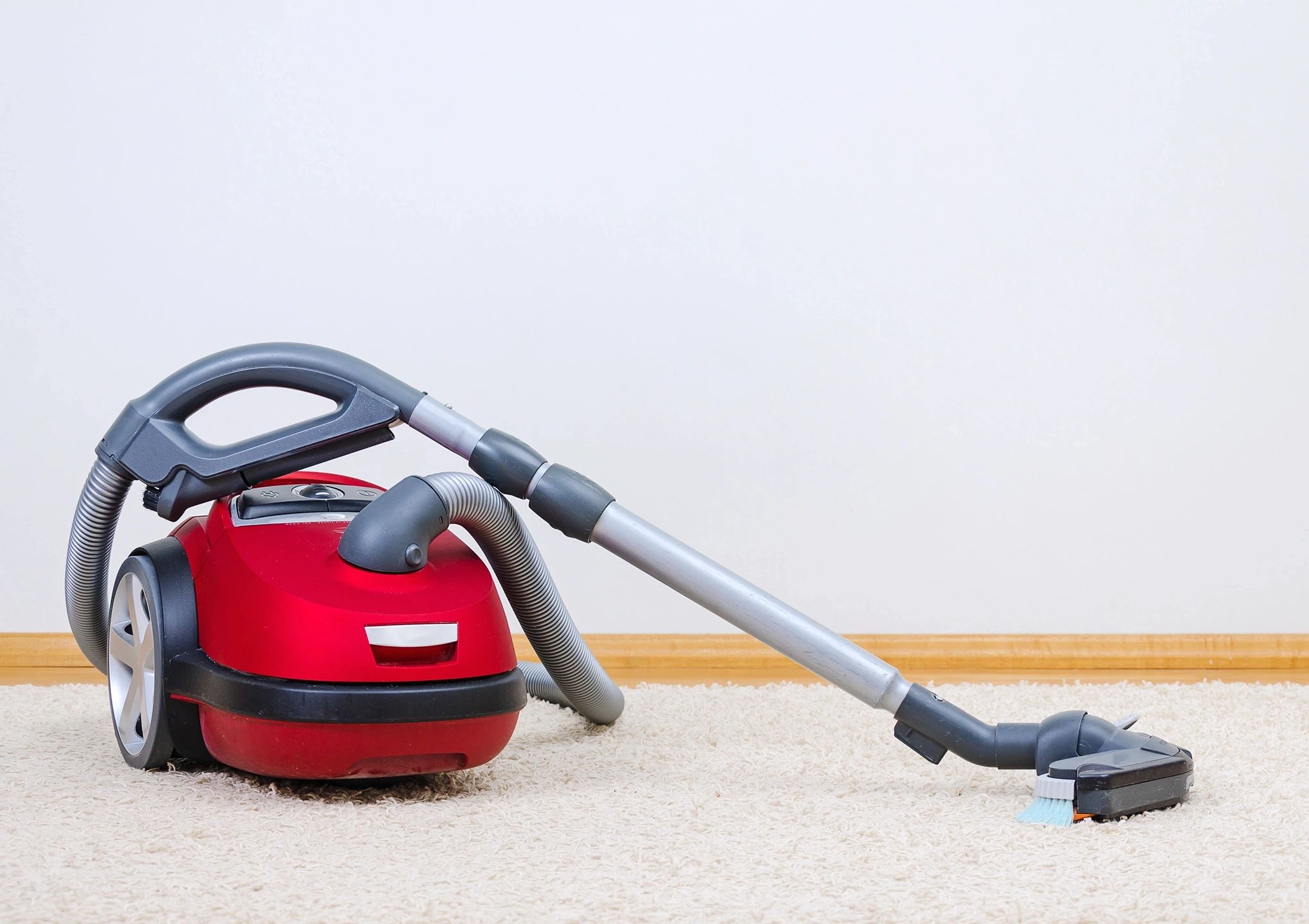
When people think about a clean home, they usually picture sparkling countertops, freshly vacuumed floors, and streak-free windows.
While those things certainly make a home look clean, they don’t always make it healthier.
In fact, some of the biggest contributors to poor indoor air quality are hidden in places many homeowners rarely think about.
Since most people spend nearly 90% of their time indoors, according to the U.S. Environmental Protection Agency (EPA), keeping the air inside your home clean is just as important as keeping surfaces tidy.
If you’ve noticed more dust, allergies, or stale air during the summer, these five overlooked areas may be part of the problem.
Air Vents and Registers
Your HVAC system continuously circulates air throughout your home.
Over time, dust collects on supply and return vents, allowing particles to recirculate every time the system runs.
Signs your vents need attention include:
- Visible dust around vent covers
- Dust settling shortly after cleaning
- Reduced airflow in certain rooms
Cleaning vent covers regularly helps reduce surface dust, while changing HVAC filters on schedule helps improve overall air quality.
Ceiling Fans
During July, ceiling fans often run all day to keep rooms comfortable.
Unfortunately, dusty fan blades don’t just collect dust—they spread it.
Every rotation can send fine particles back into the air, where they eventually settle on furniture, electronics, and floors.
A quick monthly wipe with a microfiber cloth can make a noticeable difference.
Upholstered Furniture
Sofas, chairs, and fabric cushions trap much more than crumbs.
They also collect:
- Dust
- Pet dander
- Pollen
- Skin cells
Because these particles settle deep into fabric, vacuuming with an upholstery attachment every few weeks helps reduce buildup.
Professional deep cleaning can remove even more embedded debris.
Window Tracks and Blinds
Many homeowners clean the glass but overlook the tracks and blinds.
These areas collect:
- Outdoor dust
- Pollen
- Insects
- Dirt carried in through open windows
During Utah’s dry summer months, even a light breeze can carry additional dust indoors.
Cleaning these areas regularly helps prevent debris from spreading throughout your home.
Baseboards and Corners
Dust naturally settles in low-traffic areas.
That’s why baseboards, corners, and edges of rooms often collect layers of dust over time.
These areas rarely affect how clean a room looks at first glance.
But they do affect how clean your home actually is.
Keeping these overlooked spaces clean helps reduce the amount of dust that becomes airborne during everyday activity.
Why Indoor Air Quality Matters
According to the EPA, indoor air can contain pollutants from everyday activities, outdoor contaminants, household products, dust, and allergens.
Poor indoor air quality may contribute to:
- Allergy symptoms
- Sneezing
- Eye irritation
- Respiratory discomfort
- Increased dust throughout the home
While cleaning isn’t the only factor that affects indoor air, maintaining a cleaner home helps reduce many common indoor pollutants.
A Simple Monthly Cleaning Routine
Instead of waiting for dust to build up, consider adding these tasks to your monthly routine.
Every Week
- Vacuum carpets and rugs
- Dust furniture with a microfiber cloth
- Wipe kitchen and bathroom surfaces
Every Month
- Clean ceiling fan blades
- Wipe air vent covers
- Vacuum upholstered furniture
- Clean window tracks
- Dust baseboards
Every Three to Six Months
- Deep clean kitchens and bathrooms
- Clean behind furniture when possible
- Wash blinds or curtains
- Replace HVAC filters according to the manufacturer’s recommendations
Breaking larger tasks into smaller monthly routines often makes home maintenance feel much more manageable.
When It’s Time for Professional Cleaning
Even with a good routine, some areas are difficult to reach or easy to postpone.
Professional cleaning can help remove buildup in places homeowners often miss, creating a cleaner living environment and making regular maintenance easier.
At Completely Clean, we provide residential cleaning services throughout Utah County with careful attention to the details that matter most.
Our team uses eco-friendly cleaning products that are safe for children, pets, and everyday living.
We proudly serve homeowners in:
- Provo
- Orem
- Lehi
- Spanish Fork
- American Fork
- Pleasant Grove
- Saratoga Springs
- Draper
- Sandy
- And surrounding Utah County communities
Want to Find Out What’s Being Missed?
Many homeowners don’t realize how much dust and buildup has accumulated until they see the difference after a thorough cleaning.
If you’re curious about where your home may need extra attention, start with our Free 2-Minute Weekly Deep Clean Quiz.
It can help you identify:
- Areas that are commonly overlooked
- Whether your current routine is enough
- When professional cleaning might be the right next step
Take the quiz today and discover how to keep your home cleaner, healthier, and easier to maintain.
Frequently Asked Questions
Does professional cleaning improve indoor air quality?
Professional cleaning can help reduce dust, pet dander, and allergens on surfaces and in hard-to-reach areas. While it isn’t a replacement for proper ventilation or HVAC maintenance, it can contribute to a cleaner indoor environment.
How often should I dust my home?
Most homes benefit from dusting once a week. Homes with pets, children, or allergy sufferers may need more frequent dusting, especially during Utah’s dry summer months.
What is the biggest source of dust inside a house?
Household dust comes from many sources, including fabric fibers, pet dander, pollen, dirt tracked in from outside, and skin cells. Regular cleaning and changing HVAC filters can help reduce dust buildup.