Cleaning your home should protect your living space—not accidentally damage it.
But some common cleaning habits can do more harm than good. Using the wrong product on a countertop, scrubbing a delicate surface too aggressively, or mixing cleaning chemicals can turn an ordinary chore into an expensive or potentially dangerous mistake.
For homeowners in Utah County, October is a good time to review your cleaning routine before colder weather means spending more time indoors and preparing for holiday gatherings.
The good news? A few simple changes can help you clean more effectively while protecting the surfaces you use every day.
Here are seven common cleaning mistakes to avoid.
1. Using Vinegar on Every Surface
Vinegar is a popular household cleaning ingredient, but it isn’t suitable for every material.
Because vinegar is acidic, it can damage natural stone such as marble and limestone. Repeated use may dull the finish or etch the surface.
What to do instead:
- Use a cleaner specifically approved for your countertop or flooring material.
- Check the manufacturer’s care instructions before trying a homemade cleaning solution.
- Test an unfamiliar product on a small, inconspicuous area when appropriate.
The takeaway: A cleaner that works well in one room may be unsuitable for another.
2. Using Too Much Cleaning Product
It seems logical that more cleaning solution means a cleaner surface. In reality, excess product can leave behind a sticky residue that attracts dirt and makes surfaces look dull.
Using too much detergent on floors can also leave a film that makes routine maintenance more difficult.
What to do instead:
- Follow the product label’s dilution instructions.
- Use the recommended amount rather than estimating.
- Rinse when the product directions call for it.
A little more product doesn’t necessarily mean a better result.
3. Scrubbing Delicate Surfaces With Abrasive Tools
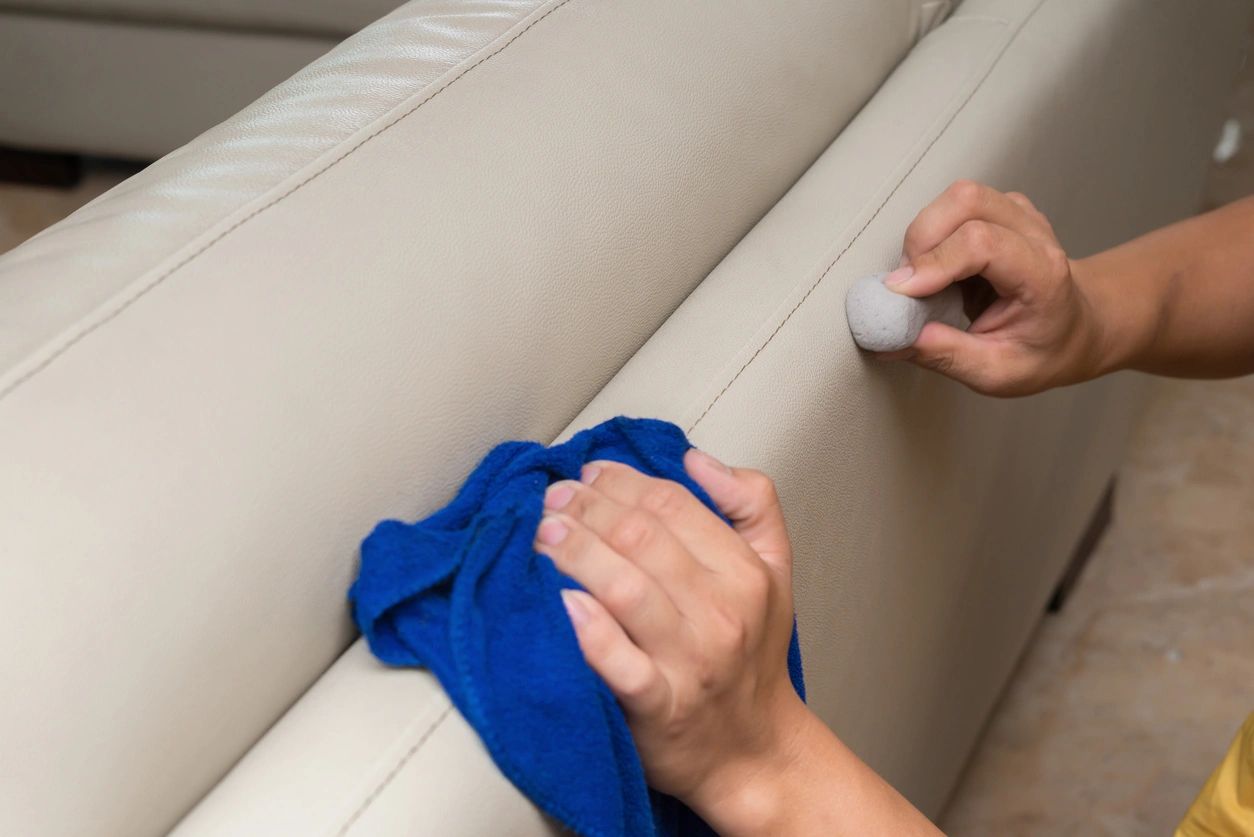
Scouring pads and stiff brushes are useful for some stubborn messes, but they can scratch delicate finishes.
Depending on the material, abrasive tools may damage stainless steel finishes, glass cooktops, acrylic fixtures, and certain coated surfaces.
What to do instead:
- Start with a soft microfiber cloth.
- Choose a nonabrasive cleaner suitable for the surface.
- Let an approved cleaning product work for the time stated on its label instead of immediately scrubbing harder.
When a stain won’t come off, identify the surface and the type of residue before choosing a more aggressive method.
4. Mixing Cleaning Chemicals
Combining household cleaners can create dangerous chemical reactions.
For example, mixing bleach with ammonia or acidic products—including vinegar—can release hazardous gases.
What to do instead:
- Never mix cleaning products unless the labels explicitly say it is safe.
- Use one product at a time according to its directions.
- Ventilate the area as instructed on the label.
- Store products in their original containers.
If you accidentally mix chemicals and experience breathing difficulties or irritation, leave the area and seek appropriate emergency or poison-control guidance.
Remember: Combining products doesn’t make them automatically more effective. It can make them dangerous.
5. Cleaning Windows in Direct Sunlight
It seems logical that more cleaning solution means a cleaner surface. In reality, excess product can leave behind a Have you ever cleaned your windows only to discover streaks once the surface dries?
Direct sunlight and warm glass can cause some cleaning solutions to evaporate too quickly, leaving visible marks behind.
What to do instead:
- Clean windows during cooler parts of the day when possible.
- Use a suitable glass cleaner and a clean, lint-free cloth.
- Work in manageable sections.
- Follow the window manufacturer’s care recommendations.
October can be a convenient time to tackle windows before colder weather makes outdoor cleaning less comfortable.
6. Ignoring Manufacturer Instructions for Floors
Not all hard floors should be cleaned the same way.
Hardwood, laminate, tile, and natural stone have different care requirements. Excess water may damage some wood and laminate flooring, while certain cleaners can harm stone or specialized finishes.
What to do instead:
- Identify your flooring material before selecting a product.
- Avoid soaking floors unless the manufacturer specifically permits it.
- Use cleaning products designed for your floor type.
- Follow recommendations for moisture, drying, and maintenance.
Protecting flooring is especially important because repairs or replacement can be expensive.
2. Using Too Much Cleaning Product
It seems logical that more cleaning solution means a cleaner surface. In reality, excess product can leave behind a sticky residue that attracts dirt and makes surfaces look dull.
Using too much detergent on floors can also leave a film that makes routine maintenance more difficult.
What to do instead:
- Follow the product label’s dilution instructions.
- Use the recommended amount rather than estimating.
- Rinse when the product directions call for it.
A little more product doesn’t necessarily mean a better result.
7. Forgetting to Clean the Tools You Use
Cleaning equipment can accumulate dirt and residue between uses.
A dirty mop, clogged vacuum filter, or grimy cleaning cloth may spread debris instead of removing it effectively.
What to do instead:
- Wash reusable microfiber cloths according to their care instructions.
- Empty vacuum containers and maintain filters as directed by the manufacturer.
- Clean and dry mop heads after use.
- Allow reusable tools to dry thoroughly before storing them.
Well-maintained equipment makes your cleaning routine more effective and helps prevent unpleasant odors.
A Smarter Way to Clean Your Home This Fall
You don’t need a cupboard full of specialized products to maintain a clean home. You need the right products for your surfaces, a consistent routine, and a little knowledge about what to avoid.
Before starting your next cleaning session, use this quick checklist:
- Read the product label.
- Identify the surface you’re cleaning.
- Avoid mixing chemicals.
- Start with the gentlest suitable cleaning method.
- Follow manufacturer instructions.
- Clean and maintain your equipment.
These habits can help prevent unnecessary damage and make regular cleaning more manageable.
When Should You Consider Professional House Cleaning?
Some cleaning jobs require more time, attention, or specialized care than others. Deep-cleaning kitchens and bathrooms, removing accumulated grime, and tackling overlooked areas can become difficult to fit into a busy schedule.
Professional cleaners can help maintain your home while paying attention to the details that everyday routines often miss.
At Completely Clean, we provide residential cleaning services throughout Utah County. Our team emphasizes attention to detail, reliable service, and eco-friendly cleaning products.
We serve communities including Provo, Orem, Lehi, Spanish Fork, American Fork, Pleasant Grove, and surrounding areas.
Whether you need help maintaining your home or preparing for the busy holiday season, professional cleaning can help you spend less time catching up on chores.
Ready for a cleaner home?
Visit Completely Clean to explore our home cleaning services or request a free estimate. You can also call (801) 360-4831.
Frequently Asked Questions
Is vinegar safe for all household surfaces?
No. Vinegar can damage acid-sensitive materials, including marble and limestone. Always check the manufacturer’s care instructions before using it.
Why shouldn’t I mix cleaning products?
Some combinations can release toxic gases or cause other hazardous reactions. Use products separately and follow their labels.
How can I prevent streaks when cleaning windows?
Clean during cooler conditions when possible, use an appropriate glass cleaner and a clean cloth, and work in manageable sections.
How often should I deep clean my home?
The ideal frequency depends on your household size, pets, activity levels, and the condition of your home. Regular maintenance combined with periodic attention to neglected areas is a practical starting point.
Final Thoughts
A clean home isn’t just about removing dirt. It’s also about protecting the surfaces, fixtures, and belongings that make your house a home.
By avoiding these seven mistakes, you can make your cleaning routine safer, more effective, and less likely to cause preventable damage.
And when the workload becomes too much, Completely Clean is here to help Utah County homeowners keep their homes looking their best.